GoodCompany
Junior Professional Officer (gn) Crime Prevention and Criminal Justice
Details zur Position
| Nur vor Ort
Ort | Nur vor Ort
bedeutet, dass es einen festen Standort für die Tätigkeit gibt.
vor 3 Wochen
Vollzeit
Spanisch, Englisch, Portugiesisch
Anstellungsart: Befristetes Arbeitsverhältnis
Berufserfahrung: 2 - 3 Jahre
Unternehmensorganisation, Management & Beratung
GoodCompany
Büro Führungskräfte zu Internationalen Organisationen (BFIO)
Hilf uns dabei, die Welt etwas besser zu machen!
Intro
JPO (gn) in Crime Prevention and Criminal Justice
Sector of Assignment: Crime Prevention and Criminal Justice
Organization: United Nations Office on Drugs and Crime (UNODC)
Unit: Border Management Branch (BMB), Division for Operations
Duty Station: Rio de Janeiro, Brazil
Duration: 2 years with possibility of extension for another year. The extension of appointment is subject to yearly review concerning priorities, availability of funds and satisfactory performance.
Please note that for participants of the JPO-Programme two years work experience are mandatory! Relevant work experience can be counted. In order to assess the eligibility of the candidates, we review the relevant experience acquired after obtaining the first university degree (usually bachelor’s degree).
The United Nations Office on Drugs and Crime (UNODC), custodian of the conventions against transnational organized crime (UNTOC) and corruption (UNCAC), as well as the three international drug control conventions, was established to assist Member States in addressing the interrelated issues of illicit trafficking in and abuse of drugs, crime prevention and criminal justice, international terrorism, and corruption. UNODC's work is based on five normative areas of activity:
- strengthening the capacities of Member States to address threats from transnational organized crime;
- combating corruption and its impact on societies;
- strengthening crime prevention and building effective criminal justice systems;
- supporting Member States to implement a balanced, comprehensive, and evidence-based approach to the global drug problem, addressing both supply and demand;
- and combatting terrorism.
Since 1991, UNODC has been working in Brazil to support the Brazilian government in fulfilling its obligations under the UN Drug Control Conventions and the twelve multilateral instruments on terrorism. Brazil has ratified the UN Convention against Transnational Organized Crime, its three Protocols (against Trafficking in Persons and Smuggling of Migrants and against Arms Trafficking), and the UN Convention on Corruption. The United Nations Office on Drugs and Crime (UNODC) has the mission to contribute to global peace and security, human rights, and development by making the world safer from drugs, crime, corruption and terrorism. Illicit trafficking and related organized crime threaten security and public health in affected communities as well as undermine governance and the rule of law. The transnational nature of illicit trafficking as well as the increasing multi-crime portfolio of organized crime groups have exacerbated security, legal and health challenges facing participating countries, calling for an equally horizontal approach to cooperation at a national, regional, and inter-regional level. The organizational structure of UNODC and its function The United Nations Office on Drugs and Crime is organized into four Divisions: The Division for Treaty Affairs, the Division for Operations, the Division for Policy Analysis and Public Affairs and the Division for Management. The Division for Operations has the primary responsibility to help Governments strengthen their legal and technical capacities to prevent and stop trafficking in drugs, people and firearms and smuggling of migrants, to curb corruption, to build more accessible, accountable and effective criminal justice systems and to improve the prevention, treatment and rehabilitation of drug abusers, as well as groups at high risk of HIV/AIDS.
The Division for Operations seeks to achieve security and justice for all by:
- Providing strategic support to UNODC field offices in the development and implementation of integrated programmes.
- Promoting knowledge-based expertise in the context of sustainable development and human security.
The Border Management Branch (BMB) of the Division for Operations was formed in April 2022 to bring together all UNODC’s work on border management and to ensure coherence of UNODC’s approach on environmental crime. The collective approach of BMB is to acknowledge that most organized crime groups deal with multiple commodities and are best disrupted through improved border control that focuses on all those commodities.
The Global Programme on Criminal Network Disruption (GPCD) aims to promote intelligence-led and cooperative criminal justice responses across regions that will both inform targeted law enforcement and border control efforts and provide effective follow-up, going beyond seizures toward disrupting criminal networks. With a focus on operational and case-based support, the GPCD develops and implements capacities and strategies that allow criminal justice officials to understand, plan, detect, investigate, prosecute, defund and ultimately disrupt transnational organized crime groups. The CRIMJUST pillar of GPCD focuses on criminal justice cooperation. CRIMJUST seeks to strengthen transnational investigations, criminal justice actions and criminal justice cooperation to disrupt organized crime networks along illicit trafficking routes on a global scale. To sustainably target networks of transnational organized crime, a special focus is placed on the promotion of post-seizure investigations and the identification of high-level criminal targets. Departing from a commodity-based approach in light of poly-criminality, the implementation of CRIMJUST involves all illicitly trafficked commodities. Further background information on the work of the UNODC/BMB is available at the UNODC’s website (www.unodc.org).
Title of Supervisor: Head, Global Programme on Criminal Network Disruption (GPCD)
Content and methodology of supervision: Establishment of a Work Plan: During the first month of the assignment, the Junior Professional Officer (JPO) will work jointly with his/her direct supervisor to finalize an agreed upon work plan. The final work plan will be discussed and mutually agreed to by the JPO and his/her supervisor.
Evaluation: The United Nations Performance Evaluation System (e-performance) will serve as a primary platform to evaluate of the JPO’s performance. Under the direct supervision of the assigned Programme Officer, and the overall guidance of the Chief of the Global Programme on Criminal Network Disruption (GPCD) and the UNODC Representative for the Federative Republic of Brazil, the JPO will work as part of the GPCD team. Supervision will include the assignment of tasks, discussion and approval of a time- bound workplan, continuous guidance to achieve work objectives, regular monitoring of progress, review of deliverables, and both informal and formal performance assessments.
The JPO is encouraged to demonstrate initiative, take ownership of assigned tasks, and adopt a proactive approach to fulfilling his/her responsibilities.
Aufgaben
Duties, Responsibilities and Output Expectations
Within the assigned authority, the JPO will provide substantive, coordination and organizational support with the implementation of project activities aimed at strengthening the capacities of law enforcement and criminal justice counterparts to investigate and prosecute organized crime networks, with a focus on programme implementation in Latin America and the Caribbean.
The incumbent is responsible for undertaking the following duties/tasks:
- Contribute to overall programme coordination, management and implementation through support for the organizational, logistics, administrative, and financial aspects, including programme planning, monitoring, and reporting in close cooperation with the GPCD budget officer, the administration of workplans and other organizational management tools, the recruitment of consultants, procurement and budgetary matters. Contribute to the drafting of relevant project reports.
- Assist with the planning, organization and implementation of technical assistance activities on cross-border investigations against transnational organized crime, aimed at strengthening the capacities of law enforcement and criminal justice counterparts to investigate and prosecute organized crime networks, with a focus on integrity, human rights-compliance and gender-responsiveness. This includes supporting the facilitation of post-seizure investigative case fora and the negotiation and implementation of joint investigation teams (JITs).
- Contribute to meetings and activities with the delivery of substantive presentations and technical briefings on issues relevant to organized crime investigations, including special investigative techniques. Undertake travel as required.
- The JPO will be the Global Programme on Criminal Network Disruption’s focal point for the International Police Cooperation Center (CCPI) of the Brazilian Federal Police in Rio de Janeiro. Engage directly and independently with the CCPI, develop and implement technical assistance activities in partnership with the CCPI like investigative case fora and capacity-building activities, and connect the CCPI with other intelligence units beyond the region.
- Support the development of project proposals, including by leading discussions with counterparts and ensuring that each proposal is based on the stated needs of the beneficiary countries, performing legal research and analysis related to transnational organized crime, cross-border investigations and criminal justice cooperation and drafting project proposal narratives and concept notes. Engage in donor outreach.
- Assist in preparing a variety of outputs, such as background papers, mission reports, briefing notes, talking points, presentations, terms of reference, enforcement strategies, policy proposals and documents, manuals, toolkits, guides, etc.
- Assist in the development of fundraising and communications strategies and support related advocacy efforts.
- Liaise with national counterparts, maintaining two-way communication, to ensure beneficiaries’ needs are acknowledged and addressed. Support the engagement and outreach to newly identified strategically important countries.
- Contribute to ensuring that the work programme and the activities are carried out in coordination with other relevant entities, including UNODC regional desk, country and regional offices and other global programmes, and in liaison with relevant organizations of the United Nations system and as well as with other international/regional organizations and Member States.
- Perform other work-related duties as required.
Anforderungen
Qualifications and Experience
Education
- Master’s degree in political science, law, international relations, development studies or a related field is required.
Work experience
- A minimum of two years of work experience in criminal justice, law, international relations, or political analysis is required; some exposure/familiarity with the United Nations or another multilateral organization is highly desirable; Work experience in the field of criminal justice cooperation and cross-border investigations and prosecutions of transnational organized crime, particularly in Latin America, is highly desirable.
Languages
- English and French are the working languages of the UN Secretariat. For this position, Fluency in English, Spanish and Portuguese, i.e oral and written proficiency is required. Knowledge of French is desirable.
Other skills
- Demonstrated experience in the area of crime prevention and criminal justice, especially related to organized crime and drug trafficking is highly desirable.
- Familiarity with the local context of Latin America and the Caribbean is highly desirable.
- Experience with resultsbased programme management is required.
- Experience in working for the United Nations is an asset.
- Knowledge of the UN Development System and the 2030 Agenda is an advantage.
- Motivated to contribute towards peace and development and to serve others.
- Good interpersonal, networking and communication skills.
- Willingness to contribute and work as part of a team.
- Flexible and open to learning and new experiences.
- Respect for diversity and adaptability to other cultures, environments and living conditions.
- Previous experience as a volunteer and/or experience of another culture, (i.e. studies, volunteer work, internship) would be highly regarded.
- Computer and graphic design skills (i.e. Word, Excel, PowerPoint, Canva, social media, WordPress, and others).
UN competencies
- PROFESSIONALISM: Shows pride in work and in achievements; Demonstrates professional competence and mastery of subject matter; Is conscientious and efficient in meeting commitments, observing deadlines and achieving results; Is motivated by professional rather than personal concerns; Shows persistence when faced with difficult problems or challenges; Remains calm in stressful situations; Add indicator if necessary.
- COMMUNICATION: Speaks and writes clearly and effectively; Listens to others, correctly interprets messages from others and responds appropriately; Asks questions to clarify, and exhibits interest in having two-way communication; Tailors language, tone, style and format to match the audience; Demonstrates openness in sharing information and keeping people informed.
- TEAMWORK: Works collaboratively with colleagues to achieve organizational goals; Solicits input by genuinely valuing others’ ideas and expertise; is willing to learn from others; Places team agenda before personal agenda; Supports and acts in accordance with final group decision, even when such decisions may not entirely reflect own position; Shares credit for team accomplishments and accepts joint responsibility for team shortcomings.
- PLANNING & ORGANIZING: Develops clear goals that are consistent with agreed strategies; Identifies priority activities and assignments; adjusts priorities as required; Allocates appropriate amount of time and resources for completing work; Foresees risks and allows for contingencies when planning; Monitors and adjusts plans and actions as necessary; Uses time efficiently.
Workforce Diversity
The United Nations believes that an inclusive culture attracts the best talent and encourages all qualified applicants, regardless of gender, disability, sexual orientation, cultural or religious backgrounds, to apply.
Benefits
Learning Elements
The JPO will be involved in implementing specified aspects (i.e. counter-terrorism) of the work of UNODC and will receive guidance, supervision and on the job-training on a regular basis. Additional training opportunities may become available through participation in specialized courses in the area of work and attendance at substantive events that focus on criminal justice matters, including the organization of field missions, seminars, workshops etc. Through the assignment, the JPO will: gain improved substantive knowledge in terrorism specifically and in global crime and justice matters in general; gain direct substantive work experience in these areas; gain exposure to the overall work of the United Nations in the area of terrorism prevention and in crime prevention and criminal justice; improve skills in research and analysis, as well as in the preparation of reports and projects; gain exposure to the overall work of the United Nations in the field of development cooperation and assistance; gain some experience in programme monitoring and management; improve skills in research and analysis, in preparing policy and programme documents and in carrying out technical assistance activities in response to requests made by countries; etc.
Bewerbungsprozess
Bitte senden Sie Ihre JPO-Bewerbung direkt an das Büro Führungskräfte zu Internationalen Organisationen (BFIO) unter Angabe der Chiffre Nr. 2026-1-13 auf dem Bewerbungsbogen.
Alle Informationen finden Sie unter www.bfio.de
GoodCompany
Büro Führungskräfte zu Internationalen Organisationen (BFIO)
Hilf uns dabei, die Welt etwas besser zu machen!
Büro Führungskräfte zu Internationalen Organisationen (BFIO)
Allgemeine Programminformationen
Mit dem Programm „Junior Professional Officer/ Beigeordnete Sachverständige“ (JPO-Programm), das unter der Federführung des Bundesministeriums für Wirtschaftliche Zusammenarbeit und Entwicklung (BMZ) durchgeführt wird, steht der Bundesregierung ein erfolgreiches und international anerkanntes personalpolitisches Instrument zur Nachwuchsförderung im Kontext der Vereinten Nationen zur Verfügung. Das Büro Führungskräfte zu Internationalen Organisationen (BFIO) ist mit der operativen Durchführung des JPO-Programms beauftragt.
Zielsetzung:
Erfolge des Programms:
Was erwartet Sie?
Programmbetreuung:
Vertragsbedingungen:
Nachhaltigkeitsziele

Wissen vermitteln
Unsere Aufgabe ist es, Menschen unterschiedlichen Alters Kenntnisse anzueignen und Inhalte, Sprachen oder Theorien weiterzugeben, die ihnen als gute Grundlage für ihren weiteren Weg dienen.
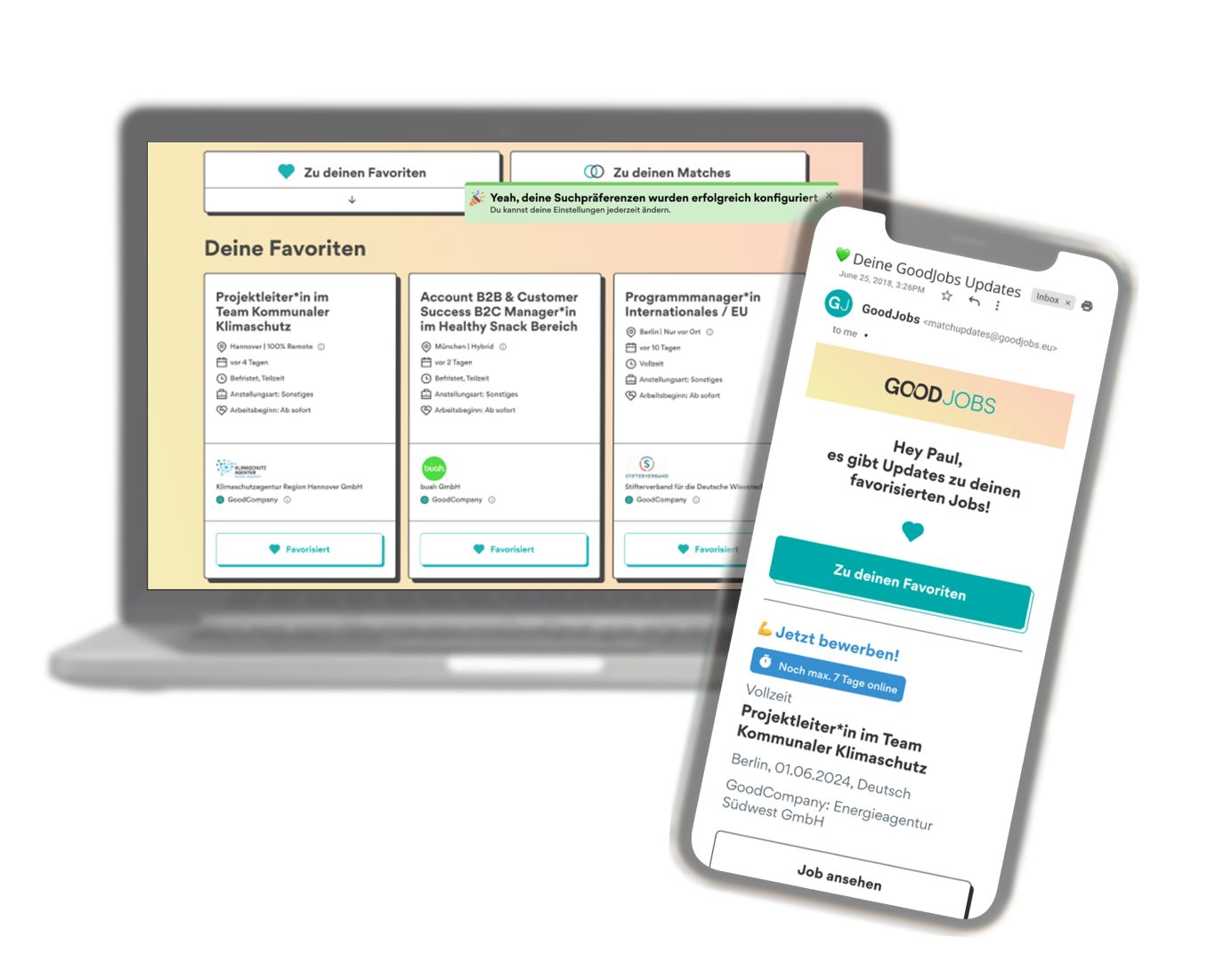
Jetzt Registrieren und Jobs wie diesen erhalten!
Erstelle dein kostenloses Konto und wir finden deinen perfekten Job.
Personalisierte Jobempfehlungen
Job-Alerts per Mail
Einfache Verwaltung deiner Jobs
Handverlesene Jobs mit Sinn